
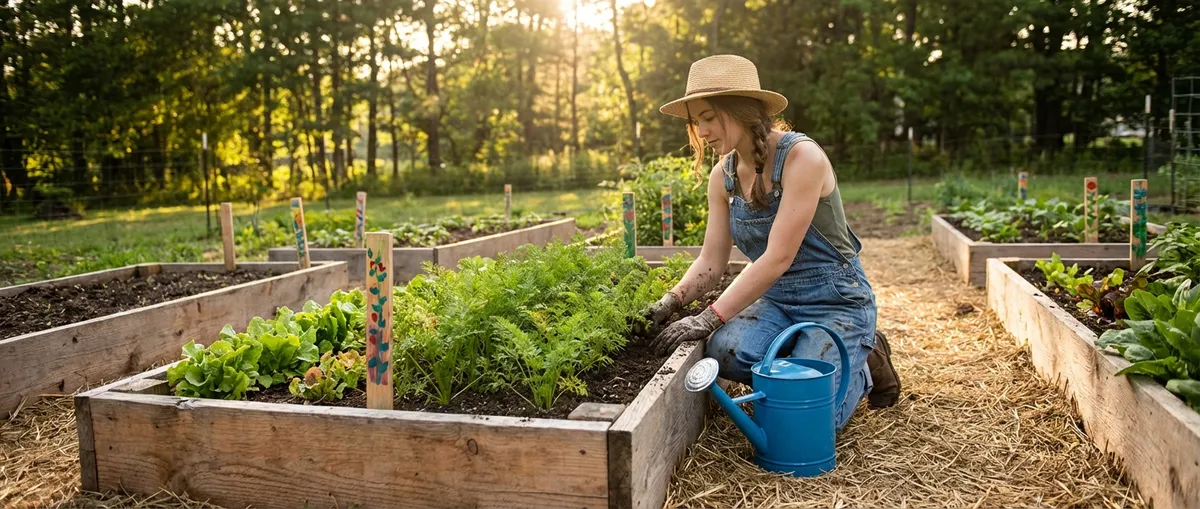
Starting a vegetable garden can feel like standing in front of a seed rack with no idea what to grab first. The good news: you don’t need a farm, fancy tools, or years of experience to grow food you’re proud of. With a little planning and a few tried‑and‑true habits, you can turn any sunny spot into a reliable veggie patch—whether that’s a backyard bed, a few raised boxes, or containers on a balcony.
This guide walks through seasonal planning, simple plant care, and practical, beginner‑friendly steps so you can grow vegetables that fit your real life, not a picture‑perfect garden magazine.
Getting Started: Choose the Right Spot and the Right Vegetables
Before you buy a single seed packet, it helps to set yourself up for an easy win.
Look for a spot that gets at least 6 hours of direct sun most days. Vegetables like tomatoes, peppers, cucumbers, and most herbs absolutely crave sun. Leafy greens (lettuce, kale, spinach) and root crops (carrots, beets, radishes) will tolerate a bit less, but more light usually means better harvests.
Good soil is just as important as good sun. In an in‑ground bed, avoid areas where water pools after rain. Soil should be crumbly, not hard like concrete or sticky like modeling clay. If your soil looks rough, don’t stress—raised beds or large containers are perfect beginner options and let you start fresh with quality soil mix.
When choosing what to grow, think “easy and reliable” first, “exotic and tricky” later. Great beginner vegetables include:
- Lettuce and salad mixes
- Green beans (bush or pole)
- Zucchini or summer squash
- Radishes
- Cherry tomatoes
- Kale or chard
- Peas (in cooler weather)
Also, match the plant to your space and schedule. If you’re home often, indeterminate (vining) tomatoes or pole beans that need regular tying and harvesting can work well. If you’re busy or travel a lot, go for low‑maintenance choices like bush beans, kale, and looseleaf lettuces.
Know Your Seasons: Cool-Weather vs. Warm-Weather Veggies
Understanding your seasons is the single biggest step toward a stress‑free garden.
Vegetables fall roughly into two groups:
- Cool‑season crops: Prefer cooler temperatures; often tolerate light frost.
Examples: lettuce, spinach, peas, broccoli, kale, radishes, carrots.
- Warm‑season crops: Need warmth; are damaged or killed by frost.
Examples: tomatoes, peppers, cucumbers, squash, beans, basil.
Your local “last frost date” in spring and “first frost date” in fall are your anchor points. You can look these up by ZIP code or city using online frost date tools. Cool‑season crops are planted before and after the heat of summer; warm‑season crops go in after the danger of frost has passed and soil has warmed.
A simple seasonal rhythm for many regions:
- Early spring: Sow peas, radishes, spinach, carrots, and plant onion sets.
- Late spring after frost: Plant tomatoes, peppers, beans, cucumbers, squash, and basil.
- Mid to late summer: Start a “second wave” of cool‑season crops like kale, lettuce, and radishes for fall harvest.
If you’re in a very warm climate, “cool season” might actually be your main growing time, and summer might be too hot for some crops. Always adjust for your local reality rather than following one generic calendar.
Soil Made Simple: Build a Healthy Foundation
Healthy soil does more than hold roots in place—it manages water, feeds your plants, and helps prevent problems before they start.
For raised beds or containers, use a high‑quality potting mix or vegetable garden mix, not topsoil alone. Topsoil can be heavy and poorly drained, especially in containers. Potting mix is designed for air flow and moisture balance, which roots love.
For in‑ground gardens, start by loosening the top 8–12 inches of soil with a shovel or garden fork. Mix in a few inches of compost across the surface and work it in evenly. Compost improves drainage, adds nutrients, and supports beneficial microbes that help plants stay healthy.
A few practical tips:
- Avoid walking on your garden beds once prepared; it compacts soil. Use paths or stepping stones.
- If you’re unsure about your soil’s nutrient levels or pH, a basic soil test from a local extension service or garden center can guide you on whether you need lime or specific fertilizers.
- For most beginners, a balanced, slow‑release organic fertilizer mixed into the soil at planting time is an easy starting point.
Healthy soil isn’t a one‑time project; each year, top‑dressing beds with compost keeps things improving over time.
Planting Basics: Seeds vs. Starts and Simple Spacing
Most vegetables can be started either from seed or from young plants (often called “transplants” or “starts”).
Transplants are ideal for:
- Tomatoes
- Peppers
- Eggplant
- Many herbs (basil, oregano, thyme)
- Broccoli, cabbage, and some other brassicas
They give you a head start and are easier for nervous beginners because you can clearly see the plant. Just be sure to:
- Plant them at the same depth they were in the pot (except tomatoes, which can be planted a bit deeper to encourage more roots along the buried stem).
- Gently loosen circling roots before planting.
- Water them in thoroughly right after planting.
Direct seeding (sowing seeds right in the garden) is best for:
- Carrots, beets, and radishes
- Peas and beans
- Lettuce mixes and spinach
- Corn
- Squash and cucumbers (in warm soil)
Check each seed packet for planting depth and spacing—these instructions actually matter. Planting too deep can prevent seedlings from reaching the surface; planting too close together can create overcrowding and poor growth.
A simple rule: most small seeds want to be planted about 2–3 times as deep as the seed’s thickness, and the soil should be kept evenly moist (not soaked) until they sprout.
If seedlings come up too close together, thin them by gently snipping extras at the soil line with scissors instead of pulling them (which can disturb the roots of the plants you’re keeping).
Watering Without the Guesswork
Overwatering and underwatering are both common beginner issues, but you can avoid them with a few easy habits.
Vegetables generally prefer:
- About 1 inch of water per week, from rain, irrigation, or a mix of both.
- Deep, less frequent watering over shallow, daily sprinkles.
Use the “finger test” before watering: stick your finger into the soil up to your second knuckle. If the top 1–2 inches feel dry, it’s time to water. If it’s still moist, wait a day and check again.
Helpful watering tips:
- Water early in the morning so leaves have time to dry during the day; this helps deter diseases.
- Aim water at the soil, not over the leaves, especially for tomatoes, squash, and cucumbers.
- Soaker hoses or drip irrigation are excellent for consistent, low‑stress watering.
Mulch (a layer of straw, shredded leaves, or untreated grass clippings) around your plants helps keep soil moisture stable and reduces how often you need to water.
Seasonal Care: Keeping Plants Happy All Year
As the season moves, your plants’ needs shift. A little routine attention goes a long way.
Spring
- Watch for slugs and snails among young seedlings; hand‑pick in the evening or use barriers like copper tape around containers.
- Use row covers or light fabric to protect tender seedlings from cold snaps and some insects.
- As plants grow, gently hoe or hand‑pull weeds while they’re small; it’s much easier than waiting.
Summer
- Stake or cage tomatoes before they flop; tie stems loosely with soft ties or strips of cloth.
- Provide simple supports (like bamboo poles or trellises) for peas, pole beans, and cucumbers.
- Check soil moisture more frequently during heat waves; containers dry out especially fast.
- Harvest often—especially beans, cucumbers, and zucchini. Regular picking encourages more production.
Fall
- Sow cool‑season crops again in late summer for fall harvest (kale, lettuce, radishes, spinach).
- As nights cool, consider using row covers to extend your season a bit longer.
- Remove diseased plant material from the garden—don’t compost it—to reduce overwintering pests and diseases.
- Add a layer of compost or shredded leaves to beds as a winter blanket and nutrient boost for next year.
Year‑round, take a few minutes each week to simply walk your garden. Look at leaf color, check undersides of leaves for pests, and note any wilting or spotting. Catching issues early usually means simpler solutions.
Beginner-Friendly Troubleshooting: Common Problems, Simple Fixes
Every gardener runs into hiccups; the trick is learning to read what your plants are telling you.
Yellowing leaves
- Often due to overwatering or poor drainage. Let soil dry slightly between waterings and make sure containers have drain holes.
- In older leaves, it can also indicate a nitrogen deficiency—top‑dress with compost or use a balanced fertilizer.
Leggy, stretched seedlings
- Usually a sign of not enough light (most common with indoor seed starting). Outdoors, it can happen if seedlings are planted too close together. Thin plants to give them space.
Holes in leaves
- Small, irregular holes: often flea beetles or small chewing insects. Row covers can help, as can mulching and maintaining healthy, unstressed plants.
- Large chunks missing or slimy trails: likely slugs or snails—hand‑pick in the evening and remove hiding spots like boards or clutter.
Poor fruit set (flowers but few vegetables)
- Very high heat can cause tomatoes, peppers, and beans to drop flowers. Plants will often resume setting fruit when temperatures moderate.
- Lack of pollinators may also be a factor; planting flowers like marigolds, zinnias, and calendula nearby attracts bees and other beneficial insects.
Powdery or fuzzy white spots on leaves
- Could be powdery mildew, common on squash and cucumbers. Improve air circulation by giving plants more space, water at soil level, and remove badly affected leaves. Resistant varieties can help in future seasons.
None of these issues mean you’ve “failed” at gardening. Each season you’ll learn a little more, adjust your choices, and see better results.
Harvesting and Enjoying the Payoff
Harvest timing can make a huge difference in flavor and texture.
- Lettuce and leafy greens: Pick outer leaves when they’re big enough to eat, or cut whole heads while still tender. Many looseleaf types will regrow.
- Radishes: Harvest when roots are about the size of a large marble to a small ping‑pong ball. Bigger often means woody and spicy.
- Beans and peas: Pick when pods are full but not bulging with oversized seeds. Leave a few too long, and the plant may slow or stop producing.
- Tomatoes: Harvest when they’re fully colored and have a slight give when gently squeezed. Vine‑ripened taste is hard to beat.
- Zucchini: Best when about 6–8 inches long. Oversized zucchini can be grated into breads or used for stuffing, but are less tender.
Keep a basket or bucket near the door so it’s easy to duck out and pick a handful of something for dinner. The more you integrate harvesting into your everyday routine, the more “real” your vegetable garden becomes as a part of your home life.
Conclusion
A productive vegetable garden doesn’t require perfection—just some sunlight, decent soil, and a willingness to learn by doing. Start with a few easy crops, pay attention to your seasons, water deeply but not constantly, and walk your garden often. You’ll soon recognize the difference between a thirsty plant and an overwatered one, between “just right” harvest timing and “oops, too long.”
Most of all, let your garden grow with you. Try one or two new vegetables each year, keep what works, and don’t worry about the rest. Over time, you’ll build a veggie patch that reliably fills your kitchen with fresh, homegrown food—and gives you a quiet, green space to enjoy along the way.
Sources
- Cornell University Vegetable Growing Guides - Crop-by-crop tips on planting, care, and harvest from a major agricultural university
- University of Minnesota Extension – Vegetable Gardening for Beginners - Clear, practical guidance on site selection, soil prep, and seasonal care
- USDA – Plant Hardiness Zone Map - Official U.S. map to help understand climate zones and select appropriate plants
- Old Farmer’s Almanac – Frost Dates Calculator - Easy tool to look up local last and first frost dates by ZIP code or city
- Royal Horticultural Society – Watering New Plants - Detailed advice on effective watering habits and techniques for healthier plants