
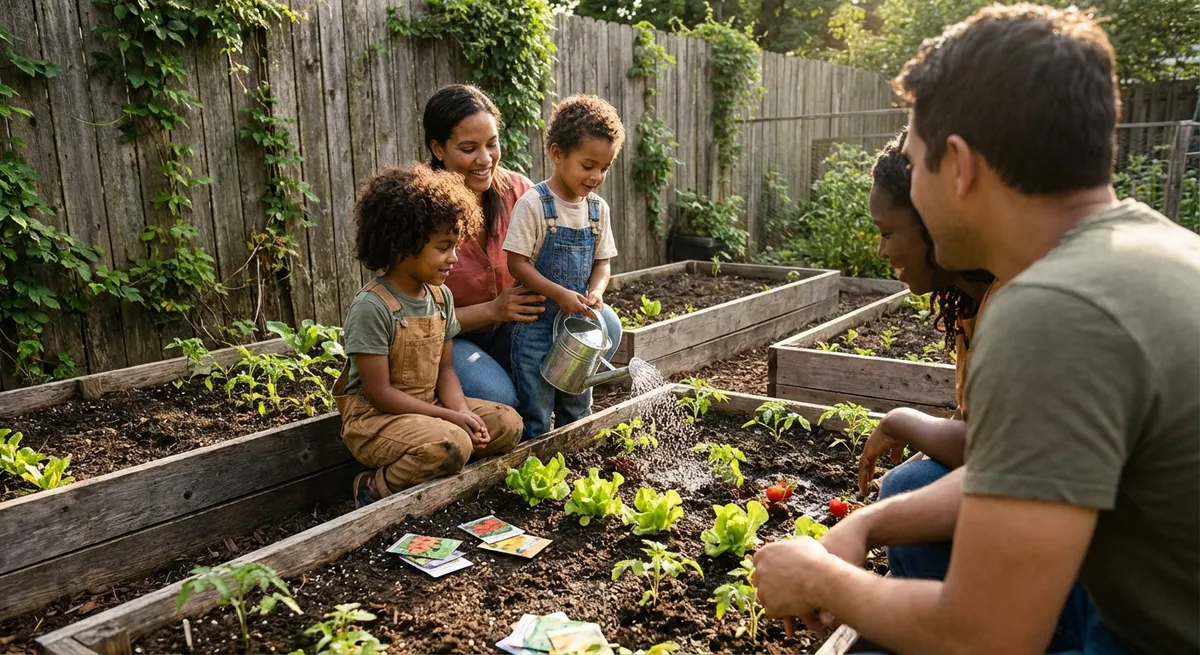
Starting a vegetable garden is one of the most rewarding things you can do with your yard, balcony, or even a sunny windowsill. You don’t need a huge space or tons of experience—just a bit of planning, the right plants, and some consistent care. This guide walks you through seasonal tips, easy plant choices, and beginner-friendly steps so you can turn your outdoor space into a productive, beautiful veggie patch.
Start with a Simple Plan (and the Right Spot)
Before you buy a single seed packet, take a few days to observe your yard or balcony. Most vegetables need at least 6–8 hours of direct sun per day, so note which spots get the most consistent sunlight. If you’re limited on space or sun, don’t worry—many leafy greens, herbs, and compact varieties do well with partial shade or containers.
Begin small. A 4x4 raised bed, a couple of large containers, or a few grow bags are more than enough for your first season. It’s better to care well for a small garden than to be overwhelmed by a large one. Focus on easy crops you actually like to eat: lettuce, spinach, radishes, bush beans, cherry tomatoes, zucchini, and herbs like basil and parsley. These tend to grow quickly, bounce back from minor mistakes, and give you early “wins” that keep you motivated.
Think about access to water, too. A garden near a spigot or rain barrel makes daily watering far easier. If your only sunny spot is far from a hose, consider lightweight hoses, drip irrigation kits, or self-watering containers to cut down the effort.
Know Your Seasons: What to Grow and When
Vegetable growing is all about matching the right plants to the right season. Each crop falls roughly into one of two groups: cool-season and warm-season vegetables.
Cool-season crops (like lettuce, spinach, peas, broccoli, kale, carrots, and radishes) prefer cooler temperatures and can tolerate light frosts. In most climates, they’re planted in early spring and again in late summer for a fall harvest. Warm-season crops (like tomatoes, peppers, cucumbers, squash, beans, and corn) hate frost and need consistently warm soil and air to thrive. These go in after your area’s last frost date and usually produce through summer into early fall.
Find your USDA hardiness zone or local climate info and look up your average last spring frost and first fall frost. That simple step helps you build a basic planting calendar: sow cool-season veggies a few weeks before last frost, plant warm-season seedlings a week or two after, and tuck in another round of cool-weather crops toward the end of summer. Stagger your plantings (for example, sow lettuce every 2–3 weeks) for a continuous harvest rather than everything maturing at once.
Soil Basics: Feed the Soil, Not Just the Plants
Healthy soil is the foundation of a productive vegetable garden. Even if you’re using raised beds or containers, what you fill them with matters as much as what you plant.
Aim for a loose, crumbly, dark soil that drains well but holds moisture. If you’re growing in the ground, mix in a few inches of compost or well-rotted manure before planting. This improves structure, adds nutrients, and encourages beneficial organisms like earthworms. Avoid walking on your planting beds as much as possible to prevent compaction.
In containers or raised beds, use a high-quality potting mix rather than heavy garden soil. You can blend your own mix (for example: compost, peat or coco coir, and perlite) or buy a vegetable-specific mix. Over time, your soil will settle and nutrients will be used up, so top-dress with compost each season and mulch the surface with straw, shredded leaves, or grass clippings (that haven’t been treated with herbicides) to conserve moisture and suppress weeds.
Simple Watering Habits That Actually Work
Consistent moisture is one of the biggest keys to healthy vegetables. Too much water can lead to root rot and disease; too little causes stress, bitterness, blossom drop, and cracking fruit.
As a rule of thumb, most vegetable gardens need about 1–1.5 inches of water per week, from rain or irrigation. Instead of frequent light sprinkles, water deeply 1–3 times weekly, depending on your weather and soil. Deep watering encourages roots to grow down, making plants more resilient to heat and dry spells.
Whenever possible, water at the base of plants in the early morning. This reduces evaporation and helps foliage dry quickly, cutting down on fungal diseases. A simple drip hose or soaker hose snaked through your beds can make watering nearly hands-free. In containers, expect to water more often, especially in hot, windy weather—sometimes once a day in midsummer.
Plant-by-Plant Quick Tips for Beginners
Here are some friendly, forgiving vegetables that are perfect for first-time growers, plus essential tips to keep them thriving:
Leafy greens (lettuce, spinach, kale)
- Ideal for spring and fall; many can handle a light frost.
- Prefer cooler temperatures and partial shade in hot climates.
- Sow seeds directly into the soil; harvest baby leaves frequently to encourage new growth.
- Best sown directly in the ground or deep containers.
- Need loose, stone-free soil to form nice roots.
- Radishes are fast—often ready in 3–4 weeks—great for impatient gardeners.
- Easy warm-season crop; sow directly after soil has warmed.
- Don’t overfertilize with nitrogen or you’ll get leaves instead of beans.
- Harvest regularly to keep plants producing.
- Plant after all danger of frost has passed.
- Give strong support (cages or stakes) and prune lightly for airflow if needed.
- Water consistently to reduce blossom end rot and cracking.
- Warm-season, best direct-sown or transplanted into warm soil.
- Need plenty of space and good airflow to prevent mildew.
- Harvest small and often; leaving fruit too long can slow the plant down.
- Great for containers and mixed beds.
- Many prefer full sun and well-drained soil.
- Frequent harvesting encourages bushier growth.
Radishes and carrots
Bush beans
Tomatoes (especially cherry types)
Zucchini and summer squash
Herbs (basil, parsley, chives)
Seasonal Care: Spring, Summer, Fall, and Even Winter
Your garden’s needs change throughout the year, and a little seasonal attention goes a long way.
Spring:
- Prep beds by clearing winter debris and adding compost.
- Start cool-season crops as soon as the soil can be worked.
- Consider using row covers to protect young plants from late frosts and insect pests.
- Focus on consistent watering and mulching to keep roots cool.
- Remove weeds regularly—they compete for nutrients and water.
- Keep an eye out for pests like aphids, caterpillars, and squash bugs; catch problems early and use gentle methods first, such as hand-picking or spraying with a mild soapy water solution (test on a small area first).
- Plant another round of cool-season veggies for autumn harvests.
- Use row covers or low tunnels to extend the season and protect from early frosts.
- Clean up diseased foliage but leave healthy plant residues or cover crops to protect soil over winter.
- Grow hardy greens like kale, mache, and some lettuces under cold frames or tunnels.
- Plan next year’s garden using notes from this season—what worked, what didn’t, and which varieties you loved.
Summer:
Fall:
Winter (in mild climates or with protection):
Beginner-Friendly Pest and Disease Management
Some level of pest activity is normal, but you don’t have to reach for harsh chemicals. Start by growing strong plants: good soil, proper spacing, and correct watering all help prevent disease and reduce stress.
Walk your garden regularly and look under leaves for eggs, holes, and sticky residue. Many common pests can be controlled by hand-picking (like larger caterpillars), rinsing off with a strong spray of water (like aphids), or using barriers (like row covers for cabbage moths). Encourage beneficial insects by planting flowers such as marigolds, calendula, and alyssum near your veggie beds.
Rotate your crops each year by avoiding planting the same family (like tomatoes, peppers, and eggplants) in the exact same spot. This makes it harder for soil-borne diseases and specialized pests to build up. If a plant is heavily diseased, it’s often best to remove it entirely rather than risk the problem spreading.
Harvesting and Enjoying Your Homegrown Produce
Harvesting at the right time makes a huge difference in flavor and texture. Many vegetables taste best when they’re young and tender. Lettuce and other greens should be snipped in the cool of the morning when leaves are crisp. Beans and peas should be picked when pods are full but not bulging. Tomatoes are most flavorful when fully colored and slightly soft to the touch.
Use clean scissors or pruners to avoid damaging plants and spreading disease. For “cut-and-come-again” crops like leaf lettuce, snip outer leaves and leave the central growing point intact so they can regrow. Zucchini and cucumbers should be checked every day or two in peak season—those “hidden” ones can grow huge very quickly.
Most importantly, enjoy your harvest. Homegrown vegetables don’t have to look perfect; the flavor and freshness are what count. Share extra produce with friends, neighbors, or local food pantries, and don’t be afraid to experiment with new recipes. Every meal you create with your own vegetables is a reminder that your time in the garden was well spent.
Conclusion
Growing your own vegetables turns your yard or balcony into a living, edible landscape. By starting small, learning your seasons, building healthy soil, and giving plants consistent care, you’ll be amazed at how much food even a tiny space can produce. Expect a few mistakes—they’re part of the learning process—but remember that plants want to grow. With each season, you’ll gain confidence, harvest more, and discover which crops and methods work best for your space and lifestyle.
Whether you’re dreaming of crisp salads, juicy tomatoes, or a handful of herbs for tonight’s dinner, the first step is simply planting that seed. Your future garden—and your future meals—are waiting.
Sources
- USDA Plant Hardiness Zone Map - Official U.S. government resource for understanding climate zones and frost dates
- University of Minnesota Extension: Vegetable Gardening for Beginners - Clear, research-based guidance on planning, planting, and caring for vegetable gardens
- Royal Horticultural Society (RHS): Grow Your Own Vegetables - Practical advice on individual vegetable crops, pests, diseases, and growing techniques
- University of Illinois Extension: Watch Your Garden Grow - Detailed crop-by-crop growing information with planting, care, and harvest tips
- CDC: Gardening Health and Safety Tips - Guidance on staying safe and healthy while gardening outdoors