
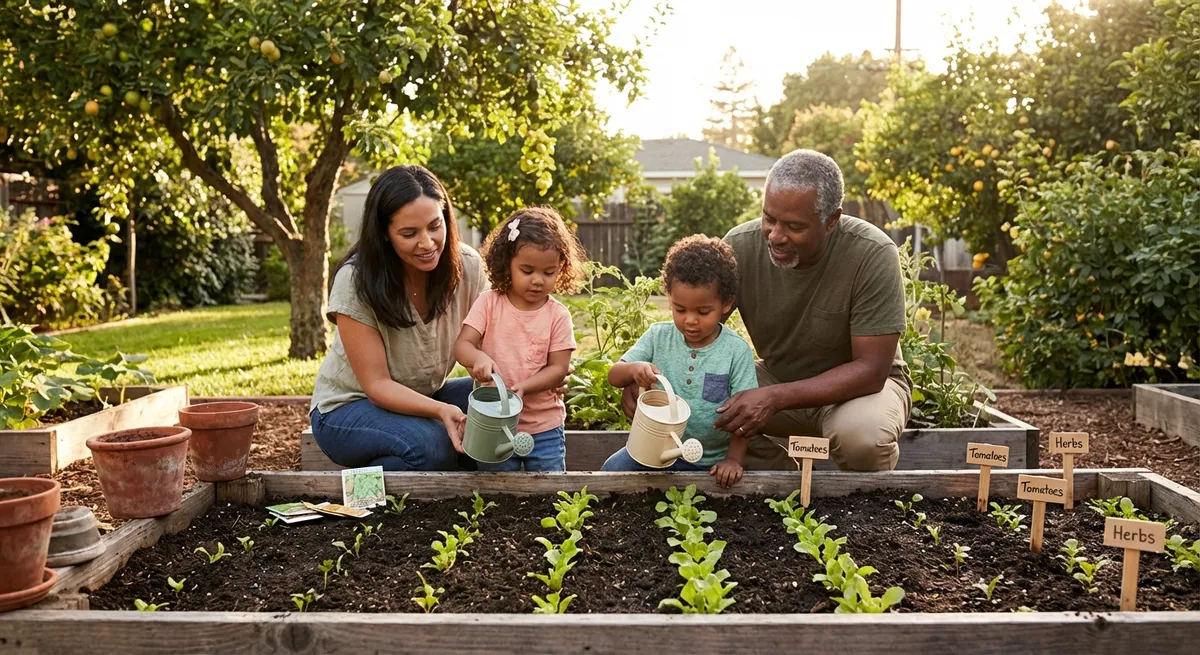
Growing your own vegetables is one of the most rewarding ways to enjoy your outdoor space. You don’t need a huge yard, fancy tools, or years of experience—just a bit of planning, patience, and the right plants for your space and season. This guide will walk you through the basics of vegetable gardening so you can start harvesting crisp lettuce, juicy tomatoes, and crunchy carrots right from your own yard (or balcony!).
Planning Your First Vegetable Garden
Before you buy seeds or plants, take a little time to plan—this is where a successful garden really starts.
First, choose your spot. Most vegetables need 6–8 hours of direct sunlight per day. Observe your yard for a few days and note where the sun hits longest. If you’re limited on space or sunshine, prioritize leafy greens and herbs, which tolerate partial shade better than fruiting crops like tomatoes and peppers.
Next, decide on your garden style. You can grow veggies in traditional in-ground rows, raised beds, or containers. Raised beds and containers warm up faster in spring, drain well, and are easier on your back. In-ground beds are great if you have space and reasonably good soil. If your soil is rocky, compacted, or you’re renting, containers or raised beds are usually the simplest path.
Start small. A 4x8 ft raised bed or a collection of 6–10 medium containers is plenty for a beginner. Focus on a few crops you genuinely like to eat and that are known to be easy: salad greens, radishes, bush beans, cherry tomatoes, zucchini, and herbs like basil and parsley are excellent starter choices.
Finally, think about timing. Vegetables fall into two big groups: cool-season crops (like lettuce, peas, spinach, broccoli) and warm-season crops (like tomatoes, peppers, beans, cucumbers). When you plant each group depends on your climate and frost dates, which you can look up by zip code using online tools. This will shape your entire growing schedule.
Seasonal Planting: What to Grow and When
Matching crops to the right season is one of the fastest ways to avoid disappointment in the garden.
Spring (Cool-Season Stars)
As soon as the soil can be worked and the risk of hard frost is low, you can sow:
- Lettuce, spinach, and other salad greens
- Radishes and carrots
- Peas (sugar snap and shelling types)
- Kale, chard, and arugula
- Broccoli and cabbage (often started as transplants)
These plants like cooler temperatures and can tolerate light frosts. For many climates, planting begins 2–4 weeks before your average last frost date. Use row covers or cloches if a surprise cold snap is predicted.
Summer (Warm-Season Favorites)
After all danger of frost is past and soil has warmed, bring on the heat lovers:
- Tomatoes, peppers, and eggplant (as transplants)
- Beans (bush or pole)
- Cucumbers and zucchini
- Melons (in warmer or longer-season climates)
- Sweet corn (if you have the space and sun)
Warm-season crops sulk in cold soil, so resist the urge to plant them too early. When in doubt, wait an extra week. Black plastic or dark mulch can help warm the soil faster if needed.
Fall (Second Chance Season)
In many regions, you can get a second harvest by planting another round of cool-season crops in late summer:
- Leafy greens (lettuce, spinach, kale)
- Radishes, beets, and carrots
- Turnips and kohlrabi
- Green onions
Count backward from your average first fall frost date using the “days to maturity” listed on seed packets. Add 1–2 weeks as days get shorter. In hot summers, start fall crops in partial shade or indoors and transplant once temperatures cool a bit.
Winter (Planning and Protection)
In mild climates, many cool-season crops can overwinter with a bit of protection (row covers, cold frames, or unheated greenhouses). In colder regions, winter is prime time for planning, ordering seeds, and preparing tools and soil amendments for spring.
Soil, Water, and Fertilizer Basics
Healthy soil is the secret engine of every good vegetable garden. You don’t need to be a soil scientist; you just need to build good structure and provide steady nutrients.
Start by testing your soil if you’re planting in the ground. Many county extension offices offer affordable analysis. This tells you your soil pH and nutrient levels and suggests amendments. Most vegetables prefer a slightly acidic to neutral pH (about 6.0–7.0).
Improve soil texture and fertility with organic matter. Mix in compost, well-rotted manure, or leaf mold before planting. This helps clay soils drain better and sandy soils hold water more effectively. In raised beds and containers, use a high-quality vegetable or raised-bed mix; avoid heavy topsoil or pure compost in pots.
Water deeply rather than frequently. Most vegetables need about 1–1.5 inches of water per week, including rainfall. Instead of a light sprinkle every day, water so moisture reaches 6–8 inches down into the root zone. Morning is the best time—it reduces disease risk and water loss from evaporation.
Consider drip irrigation or soaker hoses paired with mulch if you can. They deliver water right to the roots and keep leaves dry, which minimizes fungal issues. A 2–3 inch layer of organic mulch (straw, shredded leaves, grass clippings that haven’t been treated with chemicals) moderates soil temperature, conserves moisture, and reduces weeds.
For fertilizer, a balanced organic fertilizer (like 4-4-4 or 5-5-5) applied at planting and side-dressed mid-season works well for most gardens. Leafy greens appreciate more nitrogen, while root crops prefer not to be overfed, which can lead to lots of leaves and smaller roots. Always follow package directions—more is not better.
Easy Vegetable Stars and How to Care for Them
Some vegetables are simply more forgiving than others. Here are a few beginner-friendly options and key care tips:
Lettuce and Salad Greens
- Sow seeds directly in the garden or containers; they germinate quickly.
- Prefer cooler temps (spring and fall), partial shade in hot climates.
- Keep soil consistently moist to prevent bitterness and bolting (going to seed).
- Harvest baby leaves regularly to encourage more growth.
- Sow directly; they don’t like being transplanted.
- Need loose, rock-free soil for straight roots. Raised beds are ideal.
- Thin seedlings to give each plant room—this is crucial for decent-sized roots.
- Radishes mature quickly (often in 3–4 weeks), carrots take longer (2–3 months).
- Warm-season crop; plant after frost when soil has warmed.
- Sow seeds directly; they sprout easily in warm soil.
- Don’t over-fertilize with nitrogen or you’ll get lush plants and fewer beans.
- Pick beans regularly to keep plants producing.
- Plant after frost, in rich, well-drained soil.
- Needs space—plant at the edge of beds or give each plant room to sprawl.
- Water at the base to avoid powdery mildew on leaves.
- Harvest when fruits are small to medium for best flavor and to encourage more.
- Start with healthy transplants from a local nursery.
- Plant deeply, burying part of the stem to encourage strong root growth.
- Stake or cage plants early; they grow fast.
- Water consistently to avoid blossom-end rot and fruit cracking.
- Cherry types are often more reliable and productive than large slicers for beginners.
Radishes and Carrots
Bush Beans
Zucchini and Summer Squash
Cherry Tomatoes
Smart Pest and Disease Management
Every garden attracts some pests—it’s normal. The goal isn’t zero insects; it’s healthy plants that can tolerate some damage.
Start with prevention. Healthy soil, proper spacing for airflow, and watering at the base of plants greatly reduce disease. Rotate crops each year so you’re not planting the same vegetable family in the same spot season after season; this helps break pest and disease cycles.
Practice regular “garden walks.” Spend a few minutes every few days looking under leaves, checking new growth, and catching problems early. Many issues are easier to manage when they’re small—like a few aphids or the first signs of powdery mildew.
Encourage beneficial insects like ladybugs, lacewings, and parasitic wasps by planting flowers (marigolds, calendula, alyssum, dill, and yarrow are great choices). These “good bugs” help control pests naturally. Avoid broad-spectrum insecticides, which can harm beneficial insects along with the pests.
For common problems:
- Aphids: Blast off with a strong stream of water or use insecticidal soap.
- Caterpillars (like cabbage worms): Hand-pick or use organic Bt (Bacillus thuringiensis) if damage is severe.
- Slugs and snails: Use beer traps, iron phosphate baits, or copper barriers; water in the morning so soil surface is drier overnight.
- Fungal diseases: Improve airflow, water in the morning, avoid overhead watering, and remove heavily infected leaves.
Always identify pests and diseases before treating. Local extension websites often have excellent photo guides and region-specific advice.
Harvesting, Storing, and Enjoying Your Homegrown Veggies
Knowing when and how to harvest can make just as much difference as how you grow.
Most vegetables taste best when picked young and tender. Lettuce and greens should be harvested before they form a flower stalk. Beans are best when the pods snap easily and seeds inside are still small. Zucchini can become giant fast; pick at 6–8 inches long for ideal flavor and texture.
Use clean pruners or scissors for harvesting to avoid damaging plants, especially for tomatoes, peppers, and herbs. Harvesting in the cool of the morning often results in crisper, more flavorful produce.
For storage, remove excess moisture but don’t wash veggies until you’re ready to eat them (with the exception of very dirty root crops, which you can rinse and dry). Most greens do well wrapped in a slightly damp towel or paper towel and stored in a breathable container in the fridge. Tomatoes are best left at room temperature; refrigeration can dull their flavor and texture.
Finally, don’t forget succession planting. As soon as a crop finishes—say, early spring radishes—you can replant that space with another quick-growing crop like more radishes, bush beans, or late-season greens. This keeps your garden productive from early spring through fall.
Conclusion
Vegetable gardening doesn’t have to be complicated or overwhelming. By starting small, choosing beginner-friendly crops, matching plants to the right season, and focusing on healthy soil, water, and simple pest management, you’ll set yourself up for a delicious harvest. Each season will teach you something new, and even a few pots on a patio can turn into a steady source of fresh, homegrown food.
Whether you’re dreaming of a full raised-bed setup or just a handful of containers, the most important step is the first one: plant something. Your future salads, stir-fries, and summer snacks will thank you.
Sources
- University of Minnesota Extension – Vegetable Gardening for Beginners - Comprehensive, beginner-focused guide on planning, planting, and caring for a home vegetable garden
- USDA – Plant Hardiness Zone Map - Official U.S. zone map to help you understand your climate and choose appropriate planting times
- Old Farmer’s Almanac – Frost Dates Calculator - Enter your location to find average last spring and first fall frost dates for timing plantings
- Royal Horticultural Society (RHS) – Growing Vegetables - Trusted advice on vegetable selection, planting, and seasonal care
- Penn State Extension – Vegetable Gardening - Research-based information on soil preparation, fertilization, pest management, and harvesting techniques