
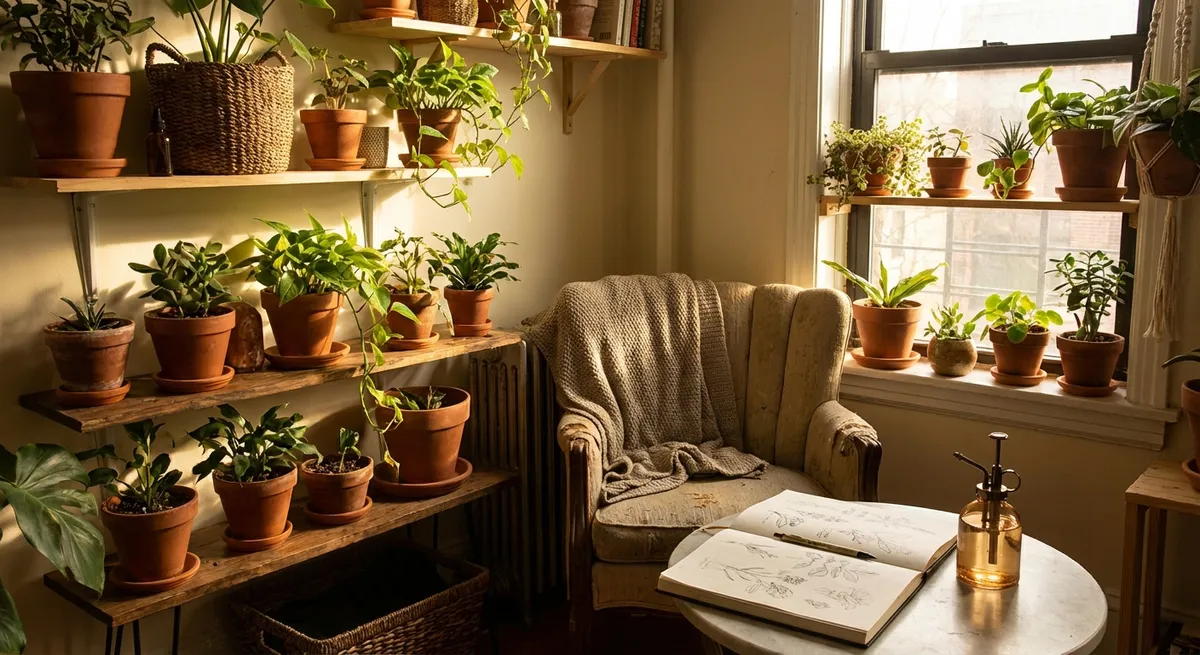
Indoor plants don’t just look good—they make your home feel calmer, fresher, and more alive. Whether you’re working with a sunny windowsill, a dim apartment corner, or a busy schedule, there’s a plant that can thrive with you. This guide walks you through beginner-proof plants, simple care routines, and seasonal tips so your indoor jungle stays lush all year long.
Best Starter Houseplants (You’ll Actually Keep Alive)
If you’re new to indoor plants, start with varieties that forgive the occasional missed watering and less-than-perfect light.
Great beginner-friendly choices:
- Snake Plant (Sansevieria) – Handles low to bright light, tolerates neglect, and is very drought-tolerant. Perfect for bedrooms, offices, and darker corners.
- Pothos (Epipremnum aureum) – Fast-growing vine that thrives in medium to low light. Great in hanging baskets or trailing from shelves.
- ZZ Plant (Zamioculcas zamiifolia) – Shiny, upright leaves; does well in low light and only needs watering every few weeks.
- Spider Plant (Chlorophytum comosum) – Likes bright, indirect light and slightly moist soil. Produces baby “spiderettes” you can easily propagate.
- Peace Lily (Spathiphyllum) – Prefers medium to low light and slightly moist soil; rewards you with elegant white flowers.
- Succulents & Small Cacti – Best for bright, sunny spots. Need very little water but don’t do well in low light.
When choosing plants, think about your space and your habits. If you travel a lot or forget to water, pick drought-tolerant plants. If you have a bright, sunny window, you can safely experiment with succulents and flowering houseplants.
Light, Water, and Soil: The Basics You Need to Know
Houseplants usually struggle not from neglect, but from the wrong kind of care. Understanding light, water, and soil will solve most problems.
Light:
- Bright, direct light: Strong sunbeams for several hours (south-facing windows in the Northern Hemisphere). Good for succulents, cacti, and some flowering plants.
- Bright, indirect light: Bright room, but the sun doesn’t hit the leaves directly (sheer curtains work well). Ideal for most foliage plants like pothos, spider plants, and peace lilies.
- Low light: Rooms with small or north-facing windows, or spots further from the window. Snake plants and ZZ plants handle this best.
- Always feel the soil before watering. Stick your finger about an inch deep:
- If it’s dry, water.
- If it’s still damp, wait a few days.
- Most beginners overwater. Yellowing lower leaves, soft stems, and soggy soil often mean too much water.
- Water deeply until it drains from the bottom, then empty the saucer so roots don’t sit in water.
- Use a well-draining potting mix (not garden soil from outside).
- Aim for pots with drainage holes. If you love a decorative pot without holes, keep your plant in a nursery pot inside it so excess water can drain.
- Succulents and cacti prefer a gritty, fast-draining mix; tropical plants enjoy a light, airy mix that holds some moisture but doesn’t stay soggy.
Water:
Soil & Pots:
A Simple Weekly Plant Care Routine
You don’t need to be glued to your plants every day. A quick, once-a-week routine keeps them healthy and makes problems easier to spot.
Weekly checklist:
Quick visual check
- Look for drooping, yellowing, or spotted leaves. - Check for pests (tiny webs, sticky residue, tiny moving dots on leaves).
Test soil moisture
- Use the finger test or a basic moisture meter. - Water only the plants that are dry at least an inch down.
Rotate your pots
- Turn each plant a quarter turn so it grows evenly and doesn’t lean toward the window.
Leaf dusting
- Gently wipe large leaves with a slightly damp cloth every few weeks. Dust blocks light and can slow growth.
Tidy up
- Trim yellow or dead leaves with clean scissors. - Remove fallen leaves from the soil surface to prevent mold and pests.
This routine doesn't need to take more than 10–20 minutes once you get used to it, even with a small indoor collection.
Seasonal Care: Year-Round Tips for Indoor Plants
Even indoors, plants feel the seasons. Light levels, indoor temperatures, and humidity all shift throughout the year, and your care should adjust a bit too.
Spring: Wake-Up and Growth Season
- More light, more growth – Days get longer and brighter, so many houseplants start actively growing again.
- Water a bit more often – As plants grow, they use more water; your soil may dry out faster.
- Repot if needed – Spring is the best time to:
- Move rootbound plants into a slightly larger pot.
- Refresh old soil with new potting mix.
- Start light feeding – Use a gentle, balanced fertilizer (like 10-10-10 or 20-20-20) at half-strength once a month for most foliage plants.
Summer: Peak Growth and Heat Management
- Monitor sun exposure – Strong summer sun can scorch leaves, especially near hot windows. If leaves bleach or get crispy patches, move the plant back a bit or use sheer curtains.
- Increase watering, but stay mindful – Warm temperatures mean faster drying soil. Still, always check the soil before watering.
- Boost humidity if needed – Air conditioning can be drying. Group plants together or place a tray with pebbles and water under (not touching) their pots to slightly raise humidity.
Fall: Transition and Slowdown
- Gradually reduce watering – As days shorten, many plants slow their growth. The soil will stay damp longer, so let it dry more between waterings.
- Pull back on fertilizer – By late fall, pause feeding or reduce it significantly; feeding a resting plant can do more harm than good.
- Maximize available light – Move plants closer to windows or to brighter rooms as outdoor light wanes.
Winter: Rest, Low Light, and Dry Air
- Less water, more patience – Most houseplants rest or grow very slowly in winter. Overwatering is especially risky now.
- Watch temperature & drafts – Keep plants away from cold windows at night, drafty doors, and heat vents. Sudden temperature swings can cause leaf drop.
- Combat dry air – Heaters dry out indoor air:
- Group plants together.
- Use a humidifier if possible.
- Avoid misting directly on leaves if your home is cool—wet leaves plus cool air can encourage disease on some plants.
Easy Care Guides for Popular Indoor Plants
Here are simple, at-a-glance care tips for a few classics.
Snake Plant (Sansevieria)
- Light: Low to bright, indirect; tolerates some direct sun.
- Water: Let soil dry completely; water about every 2–4 weeks depending on season.
- Soil: Well-draining mix; cactus/succulent mix works well.
- Tip: Great in bedrooms; very tough for beginners and frequent travelers.
Pothos (Devil’s Ivy)
- Light: Low to bright, indirect. Avoid harsh direct sun.
- Water: Let top 1–2 inches of soil dry; usually once a week in growing season, less in winter.
- Soil: Regular potting mix with good drainage.
- Tip: Easy to propagate—cut a stem below a leaf node and place in water until roots appear, then pot in soil.
Peace Lily
- Light: Medium to low, indirect light. Avoid direct sun on leaves.
- Water: Keep soil slightly moist but not soggy. Drooping leaves are a sign it’s thirsty; they usually perk back up after watering.
- Soil: Rich, well-draining potting mix.
- Tip: Can be sensitive to tap water in some areas; if you see brown leaf tips, try filtered or let tap water sit overnight before watering.
Spider Plant
- Light: Bright, indirect light for best growth.
- Water: Water when the top inch is dry; don’t let it sit in water.
- Soil: Standard potting mix.
- Tip: Those little plantlets (“spiderettes”) can be rooted in water or soil to grow new plants—great for gifting.
Beginner Mistakes to Avoid (and How to Fix Them)
Even careful new plant parents hit a few bumps. These are the most common issues and how to handle them.
- Overwatering – Soggy soil, yellowing leaves, fungus gnats buzzing around.
- Fix: Let the plant dry out longer between waterings. Ensure there’s drainage, and consider repotting into fresh, well-draining soil if roots are very wet or mushy.
- Underwatering – Drooping, crispy leaves, soil pulling away from the pot sides.
- Fix: Water slowly and thoroughly. For very dry soil, soak the pot in a basin of water for 10–15 minutes, then drain.
- Wrong light – Leggy, stretched stems and pale leaves usually mean not enough light; scorched or bleached patches can mean too much direct sun.
- Fix: Move low-light plants closer to a window (but not into harsh sun), or use sheer curtains for sun-lovers that are burning.
- Crowding and no repotting – Roots circling tightly, water rushing straight through the pot, or stunted growth can signal a rootbound plant.
- Fix: Move up one pot size and refresh the soil in spring or early summer.
- Ignoring pests – Tiny insects, sticky leaves, or webbing can indicate pests like spider mites, aphids, or mealybugs.
- Fix: Isolate the plant, gently wash leaves, and treat with insecticidal soap or neem oil as directed on the product label.
Turning Your Space into a Low-Maintenance Indoor Oasis
You don’t need dozens of plants or a lot of time to enjoy a lush, green indoor space. Start with a few forgiving favorites, place them in spots with the right light, and build a simple weekly routine. As you get more comfortable, you can experiment with new varieties, propagation projects, and small indoor displays on shelves or plant stands.
With a little observation and consistency, your plants will reward you with steady growth, cleaner-feeling air, and a calmer home—season after season.
Sources
- University of Vermont Extension – Indoor Plants: Low Light Houseplants – Overview of easy, low-light houseplants and their basic care
- University of Minnesota Extension – Houseplants: Growing Indoor Plants – Detailed guidance on light, watering, soil, and general indoor plant care
- Royal Horticultural Society – Houseplants – Care advice, troubleshooting tips, and plant profiles for common houseplants
- Clemson Cooperative Extension – Indoor Plants: Selection and Care – Practical tips for choosing, placing, and maintaining indoor plants
- NC State Extension – Managing Pests in Houseplants – Guidance on identifying and treating common indoor plant pests