
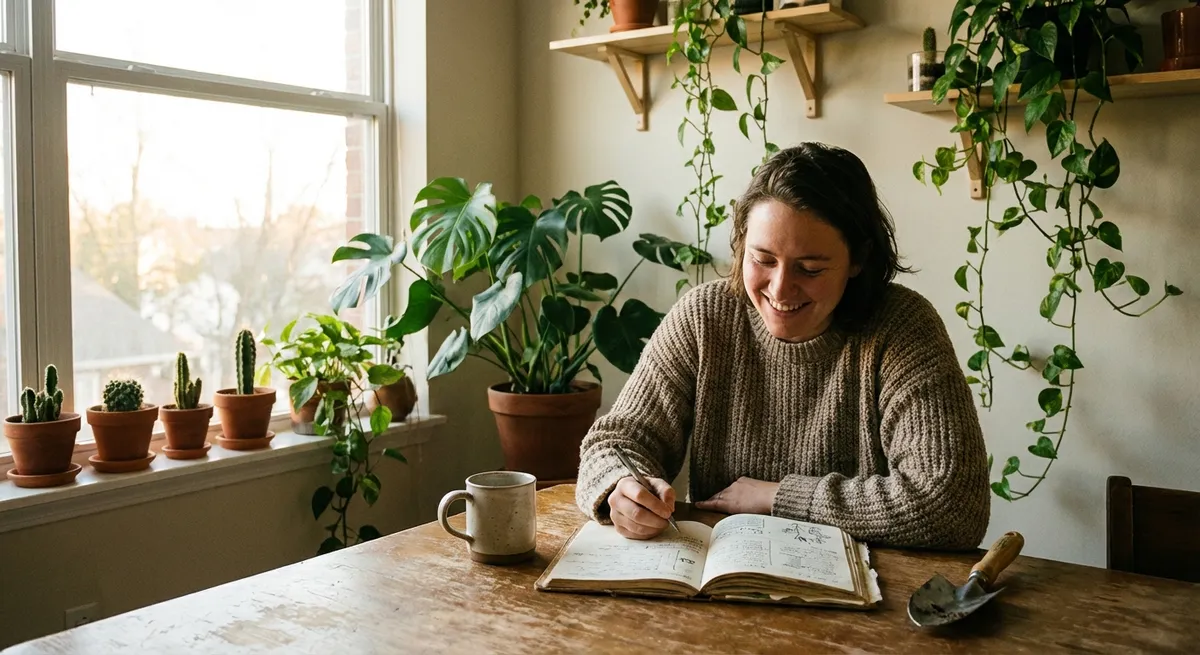
Indoor plants don’t just look good—they can make your home feel calmer, cozier, and more alive. But keeping them thriving all year can feel confusing, especially when the light changes, heaters kick on, and windows stay shut. This simple, season-by-season planner will help you understand what your plants need, when they need it, and how to keep them happy with easy, realistic routines.
Whether you have one pothos on a shelf or a windowsill full of herbs, you’ll find practical, beginner-friendly tips you can actually stick with.
Understanding Your Indoor Climate (Before You Buy More Plants)
Before you add another plant to your cart, it helps to understand the “microclimate” inside your home—those little pockets of light, warmth, and dryness that can make or break plant health.
Walk around your space and notice:
- Light direction
South-facing windows (in the Northern Hemisphere) usually get the strongest light, followed by west, east, then north. A bright room where you can read without turning on a light usually suits “bright indirect” plants like pothos, philodendron, and peace lilies.
- Distance from windows
Light intensity drops quickly the farther you go from a window. A plant that thrives on a sunny sill may struggle three feet away on a coffee table.
- Drafts and heat sources
Radiators, vents, and drafty doors can stress plants. Dry air and temperature swings are especially tough on tropical plants and ferns.
- Humidity pockets
Bathrooms and kitchens often have slightly higher humidity, making them great for ferns, calatheas, and other moisture-loving plants (as long as they still get enough light).
Once you understand where conditions are best, choose plants that fit those spots rather than forcing a sun-lover into a dark corner. Matching the plant to the place is one of the easiest “hacks” for long-term success.
Spring Reset: Wake Up Your Indoor Jungle
Spring is your plants’ “new year.” As days get longer and brighter, most houseplants start actively growing again. This is the perfect time to refresh their environment and set them up for a strong season.
What to focus on in spring:
Inspect and tidy
Gently remove yellowing leaves, dead stems, or dried flowers. Check under leaves and along stems for pests like spider mites (fine webbing), aphids, or scale (small bumps). If you find any, isolate the plant and wipe leaves with a damp cloth and mild soapy water.
Refresh the top layer of soil
If a plant is stable in its pot but the soil looks compacted or crusty, scrape off the top 1–2 inches and replace with fresh, high-quality potting mix. This boosts drainage and nutrients without a full repot.
Repot only if needed
Signs a plant may want a new home: - Roots circling the surface or poking through drainage holes - Water running straight through without soaking in - The plant tipping over easily because it’s top-heavy
When repotting, go only 1–2 inches wider in pot diameter and use a pot with drainage holes.
Start feeding lightly
As new growth appears, begin using a balanced, water-soluble fertilizer at half strength once a month. Over-fertilizing can burn roots, so “less but consistent” is better than strong, sporadic doses.
Gradually adjust light
If you moved plants away from cold windows in winter, slowly shift them into brighter spots over a couple of weeks so they don’t burn or shock.
Spring is also a fun time to experiment with easy plants like spider plants, snake plants, or ZZ plants if you’re just getting started—they respond well to the extra light and warmth.
Summer Care: Enjoy the Growth, Watch the Stress
Summer means long days and strong light—great for growth, but also a time when plants can dry out faster and risk sunburn in harsh sunlight.
Key summer priorities:
Monitor watering more closely
Don’t water on a fixed schedule; instead: - Stick your finger into the soil up to your first knuckle. If it feels dry at that depth, it’s probably time to water. - For moisture-loving plants (like ferns), water when the top ½ inch feels dry. - For succulents and cacti, let the soil dry out more thoroughly between waterings.
When you water, do it deeply until water runs out of the drainage holes, then let the excess drain fully.
Prevent sunburn
Sudden direct midday sun can scorch leaves, especially for plants labeled “bright indirect light.” Move delicate plants a few feet back from hot windows or use a sheer curtain to soften the light.
Boost humidity for tropical plants
Air conditioning can dry the air. To help: - Group plants together to create a mini humidity zone - Place pots on a tray filled with pebbles and water (keep the pot base above the waterline) - Consider a small humidifier near the most sensitive plants
Rotate for even growth
Every few weeks, turn your pots a quarter turn so plants don’t lean toward the light and become lopsided or stretched.
Light feeding continues
Keep fertilizing once a month during active growth, staying at half-strength unless the product label suggests otherwise for houseplants.
Summer is also a great season to root cuttings in water (pothos, tradescantia, and philodendron are classic choices) thanks to the warmth and light, giving you more plants for free.
Fall Adjustments: Gently Slowing Things Down
As days shorten and light intensity drops, your plants naturally slow their growth. Fall is about soft landings—easing them from high activity into rest without stress.
Simple fall shifts to make:
Water less often—but don’t go to extremes
Because plants aren’t growing as quickly, they use less water. Keep using the “finger test” and allow a bit more time between waterings, especially for succulents, cacti, and drought-tolerant plants.
Reevaluate light
That bright summer windowsill may now be your best light source. You may need to: - Move low-light-tolerant plants closer to the window - Free prime spaces for plants that struggle with low light (like many flowering plants)
Dial back fertilizer
Once you see new growth slowing, cut feeding to once every 6–8 weeks or pause entirely. Fertilizing heavily in low light can push weak, leggy growth.
Leaf cleaning and dusting
Wipe large leaves (like rubber plants, monsteras, and fiddle leaf figs) with a soft, damp cloth. Dust can block light and slow photosynthesis, and fall is a good time to “reset” leaf surfaces.
Watch for early heating issues
As you start using heaters, notice which plants suddenly sit in drier air streams or near heat vents. Move sensitive plants a bit further away to avoid crispy leaf tips.
Think of fall as the time to gently guide your plants into their winter routine so there are fewer surprises when the dark days arrive.
Winter Survival Mode: Keeping Plants Happy in Low Light
Winter is the toughest season for many indoor plants: less light, drier air from heaters, and sometimes cold drafts near windows. The good news is you don’t need fancy equipment to help most plants ride it out.
Core winter strategies:
Prioritize light
Place most plants in the brightest spots you have—typically south- or west-facing windows in the Northern Hemisphere. Turn blinds open during the day and avoid blocking light with curtains if possible.
If a plant starts stretching (long spaces between leaves, pale new growth), it may not be getting enough light. Moving it closer to a window is often more effective than adding more water or fertilizer.
Water conservatively
Overwatering is the number-one winter killer. - Let the top inch (or more, for succulents) dry out before watering again. - Make sure pots never sit in standing water; dump saucers 10–15 minutes after watering.
Protect from cold drafts
Avoid pressing leaves right against cold window glass and keep plants away from doors that open directly to the outside in freezing weather. Sudden temperature drops can cause leaves to yellow or drop.
Humidity help, within reason
You can: - Group plants together - Use pebble trays - Run a small humidifier nearby on low
Regular light misting is okay for some plants, but avoid soaking leaves in cold conditions, which can encourage fungal issues.
Pause or nearly pause feeding
Most houseplants don’t need fertilizer in winter. Wait until you see clear signs of new spring growth to start again.
In winter, think “keep them alive and stable” rather than “push for big growth.” If plants look a little less lush, that’s normal. You’re simply helping them rest.
Simple Care Routines by Plant Type
Every species is a little different, but grouping plants by their general preferences makes care much less overwhelming. Here are practical, beginner-friendly basics for common types:
Easygoing Foliage Plants (Great for Beginners)
Examples: pothos, philodendron, spider plant, ZZ plant, snake plant.
- Light: Bright, indirect light is ideal, but many tolerate medium to low light.
- Water: Let the top inch of soil dry between waterings. Snake plants and ZZ plants prefer drying out a bit more.
- Common mistake: Overwatering. Yellowing leaves and soggy soil often mean “too much water,” not “too little.”
Tropical “Jungle” Plants
Examples: monstera, peace lily, calathea, many ferns.
- Light: Bright, indirect light. Direct midday sun can scorch leaves.
- Water: Keep soil lightly moist but not soggy. Let the top ½–1 inch dry out before watering again.
- Humidity: Appreciate higher humidity—great candidates for bathrooms or near a kitchen window.
- Common mistake: Dry air and inconsistent watering leading to brown tips.
Succulents and Cacti
- Light: Very bright light, often right on a sunny windowsill.
- Water: Fully soak the soil, then let it dry out completely before watering again—especially in winter.
- Potting mix: Use a fast-draining cactus/succulent mix. Regular potting soil holds too much water.
- Common mistake: Treating them like leafy houseplants—too much water, too little light.
Flowering Houseplants
Examples: African violets, orchids, anthurium.
- Light: Bright, indirect light for most. African violets often prefer east-facing windows; orchids like bright, filtered light.
- Water: Varies by type, but in general, keep evenly moist, not soggy; avoid water sitting in saucers.
- Feeding: Regular, diluted fertilizer during flowering seasons helps maintain blooms.
- Common mistake: Placing them in dark corners where they can’t get enough light to rebloom.
If you’re ever unsure, start by watering less often and placing a plant in slightly brighter (but not harsh) light—you can adjust from there based on how it responds.
A Simple Weekly Check-In Routine
Instead of guessing or reacting to dying leaves, use a quick, consistent check-in once a week. It doesn’t have to be complicated:
Walk-through and observe
Look for: - New growth (good sign) - Yellowing or browning leaves - Pests (webbing, sticky residue, odd spots)
Test soil moisture
Use your finger or a simple moisture meter: - If it’s dry at the recommended depth for that plant type, water. - If it’s still moist, wait a few days and check again.
Turn the pots
Rotate each plant a quarter turn to keep growth even.
Quick tidy
Snip off dead or mushy leaves with clean scissors. Wipe dust from big leaves with a soft, damp cloth.
This 10–15 minute habit keeps most issues small and manageable, and it’s often more effective than any “miracle product.”
Conclusion
Indoor plants don’t need to be a mystery or a full-time job. When you understand how seasons affect light, water needs, and growth, you can adjust your care in simple, gentle ways that keep your plants healthy year-round.
Start where you are:
- Learn the light in your home
- Match plants to the spots you actually have
- Use a weekly check-in instead of a strict schedule
- Shift your care a little with each season
With a few thoughtful habits and realistic expectations, you’ll go from “I hope this survives” to confidently steering your plants through spring growth spurts, summer heat, fall slowdowns, and winter rest—while enjoying a home that feels greener, calmer, and more alive.
Sources
- [University of Vermont Extension: Caring for Houseplants](https://www.uvm.edu/~ornhort/oh70houseplants.html) - Practical guidance on light, watering, and general indoor plant care from an academic horticulture program
- [Clemson Cooperative Extension: Indoor Plants – Cleaning, Fertilizing, Containers, and Watering](https://hgic.clemson.edu/factsheet/indoor-plants-cleaning-fertilizing-containers-and-watering/) - Detailed, research-based recommendations on watering, fertilizing, and maintenance
- [University of Minnesota Extension: Indoor Plants](https://extension.umn.edu/houseplants/indoor-plants) - Seasonal and environmental tips for common houseplants, including light and temperature considerations
- [Royal Horticultural Society: Houseplant Care](https://www.rhs.org.uk/plants/types/houseplants/care) - Authoritative advice on positioning, feeding, humidity, and troubleshooting common problems
- [Missouri Botanical Garden: Houseplant Basics](http://www.missouribotanicalgarden.org/gardens-gardening/your-garden/help-for-the-home-gardener/advice-tips-resources/visual-guides/houseplant-basics.aspx) - Clear overview of potting, repotting, and environmental needs for a wide range of indoor plants