
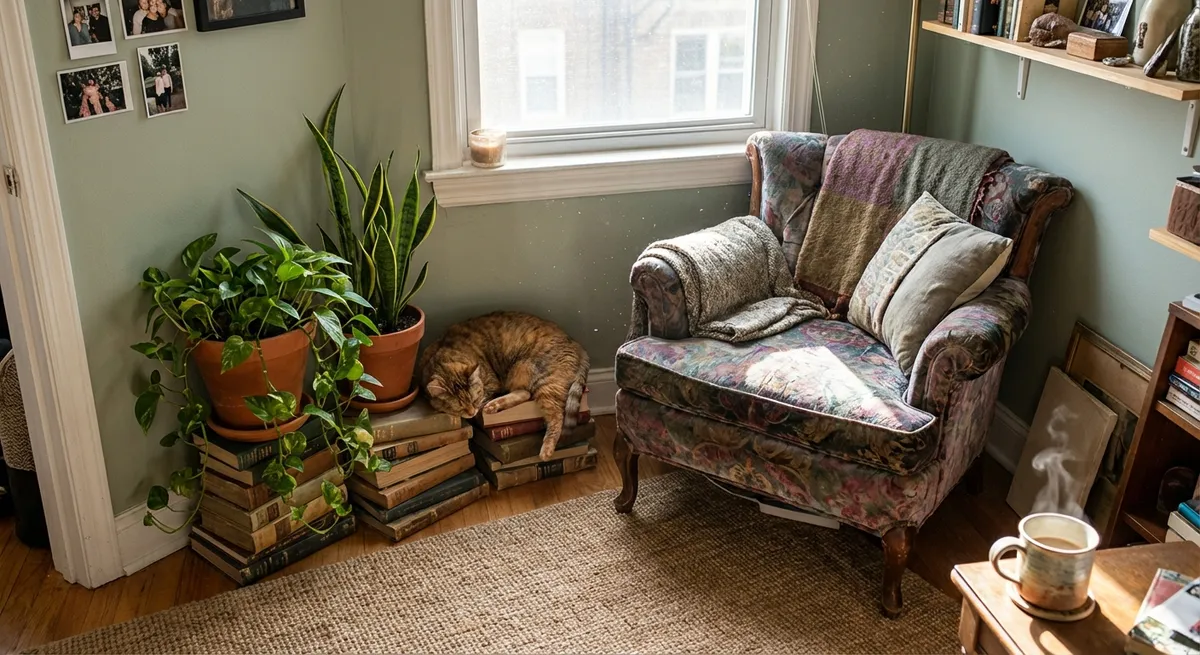
Not everyone wants (or has time for) a full-on “indoor jungle”—and that’s okay. You might just want a calm corner by the window, a green nook by your desk, or a plant that won’t throw a tantrum if you miss one watering. This guide is all about indoor plants that fit into real life: simple care, seasonal tweaks, and beginner-friendly tips that actually help your plants stay alive and look good.
We’ll walk through how to set plants up for success, what to do as the seasons change, and how to match plants to the kind of light and time you actually have—not the dream version of your schedule.
Start with Your Home, Not the Plant
Before falling in love with a plant on Instagram, it helps to look around your space and work with what you already have.
Ask yourself a few simple questions:
- How much light do you really have?
- South-facing windows usually get the strongest light.
- East-facing get gentle morning sun.
- West-facing can be hot in the afternoon.
- North-facing are usually low light.
- How consistent is your temperature?
Check when and where the sun hits your home.
Most common indoor plants like 65–80°F (18–27°C). Drafty windows, hot radiators, or AC units can stress them out.
- How often can you realistically water?
If you’re often busy or forget, choose plants that prefer drying out a bit (snake plant, ZZ plant, pothos). If you love fussing and checking soil daily, you can handle thirstier ones (calatheas, ferns).
- Do you have pets or kids?
Some common houseplants are toxic if eaten (like pothos, philodendron, peace lily). If you have curious chewers, look for pet-friendlier options like spider plants, Boston fern, or some peperomias.
Once you know your light, temperature, and schedule, you can pick plants that actually stand a chance in your home.
Easy-Care Indoor Plants That Don’t Need Constant Attention
Here are a few beginner-friendly plants that work in real-life homes, plus how to keep them happy.
Snake Plant (Sansevieria / Dracaena trifasciata)
- Light: Low to bright, indirect. Handles poor light better than most.
- Water: Let soil dry almost completely. Water every 2–4 weeks depending on season and room temperature.
- Why it’s great: Tough, architectural, and forgiving if you forget it for a while. Avoid overwatering—it’s the main way to kill it.
Pothos (Epipremnum aureum)
- Light: Low to medium, indirect light; grows fastest in brighter light.
- Water: Let the top 1–2 inches of soil dry. Typically weekly in warm months, every 10–14 days in cooler months.
- Why it’s great: Fast-growing vine, easy to propagate in water, and tells you when it’s thirsty (leaves droop slightly and perk up after a drink).
ZZ Plant (Zamioculcas zamiifolia)
- Light: Low to bright, indirect; avoid direct hot sun.
- Water: Infrequent. Let the soil dry out thoroughly between waterings—every 3–4 weeks is common.
- Why it’s great: Almost unbothered by neglect, travel, and uneven schedules.
Spider Plant (Chlorophytum comosum)
- Light: Bright, indirect is best; tolerates medium light.
- Water: Keep soil slightly moist but not soggy. Let the top inch dry out before watering again.
- Why it’s great: Classic, resilient, and produces baby plants (“spiderettes”) you can pot up and share.
Peace Lily (Spathiphyllum)
- Light: Medium to bright, indirect. Low light is possible but fewer flowers.
- Water: Likes evenly moist soil. Leaves droop dramatically when thirsty and perk right back up after watering.
- Why it’s great: Clear “I’m thirsty” signal and beautiful white blooms when happy.
Pick two or three of these to start; once you feel confident keeping them alive for a few months, then add more.
Watering Without Guesswork
Most indoor plant problems come from watering—usually too much, sometimes too little. A simple, consistent approach goes a long way.
Use the “Finger Test”
Instead of watering on a calendar schedule, check the soil:
- Insert your finger about an inch into the soil.
- If it feels dry at that depth, it’s usually time to water for most plants.
- If it’s still moist or cool, wait a few days and check again.
For desert-type plants (succulents, snake plant, ZZ plant), let the soil dry deeper before watering again.
Water Thoroughly, Then Let It Drain
When it is time to water:
- Place the pot in a sink or on a tray.
- Slowly pour water across the soil surface until water runs from the drainage holes.
- Let the pot drain fully (10–20 minutes).
- Empty any saucer so the plant isn’t sitting in water.
Frequent “sips” of water can lead to shallow roots and soggy soil; a deeper watering with proper drying is healthier.
Watch for Warning Signs
- Yellow leaves + wet soil: Likely overwatering or poor drainage.
- Crispy brown leaf edges + very dry soil: Underwatering or very low humidity.
- Mushy stems or soil that smells sour: Root rot—remove from pot, trim rotted roots, repot in fresh, well-draining soil.
Light: Helping Plants Thrive in Real Windows
Getting light right doesn’t have to be technical. A few simple checks can help you place plants where they’ll thrive.
How to Quickly Check Your Light
- Shadow test:
- Sharp, well-defined shadow = bright light.
- Fuzzy, softer shadow = medium light.
- Very faint shadow = low light.
- Phone test: Notice how bright the room looks when you take a photo without flash at midday. If it looks dim even to your camera, it’s low light.
Placing Plants by Window Direction
- South-facing windows:
Great for sun-lovers (succulents, cacti) a bit back from the window. More sensitive plants (pothos, snake plant) do well a few feet away.
- East-facing windows:
Gentle morning light is perfect for most common houseplants (pothos, spider plants, peace lilies, philodendrons).
- West-facing windows:
Strong afternoon sun can be intense. Use sheer curtains, or place plants a bit away from the window to avoid leaf burn.
- North-facing windows:
Best for low-light plants (ZZ plant, snake plant, some pothos). Growth may be slower but that’s okay.
If a plant’s leaves are stretching toward the window or getting long, bare stems, it may want a brighter spot.
Seasonal Care: Small Tweaks for Each Time of Year
Your home environment changes with the seasons, even if the plants stay in the same place. A few small adjustments can keep them happier all year.
Spring: Gentle Wake-Up
As days get longer:
- New growth appears, so plants use more water. Check soil a bit more often.
- This is the best time to repot if roots are tightly circling the pot or growing out of drainage holes.
- You can start light fertilizing (about once a month) with a balanced, water-soluble houseplant fertilizer, diluted to half strength.
Summer: Watch the Heat and Sun
- Bright light and warmth speed up growth but also dry soil faster.
- Check for hot spots near windows—leaf burn looks like bleached or crispy patches. Move sensitive plants a little back or use sheer curtains.
- Keep plants away from AC vents that blast cold, dry air.
Fall: Slow Down and Stabilize
- As light levels drop, plants naturally slow their growth.
- Start spacing out waterings again—overwatering is common in fall when we keep the same summer routine.
- Ease up on fertilizer or pause it entirely by late fall.
Winter: Low Light & Dry Air
- Short days + indoor heating = stress for many plants.
- Move light-loving plants closer to windows or supplement with a simple grow light if you can.
- Group plants together or use a humidity tray (a shallow tray with pebbles and water under the pots, but not touching the pot bottoms).
- Water less often, but don’t let them bone-dry for too long—always check soil first.
These seasonal tweaks don’t require a lot of effort, but they make a big difference in how your plants handle the year.
Simple Potting, Soil, and Repotting Tips
Good soil and the right pot keep roots healthy, which keeps leaves looking good.
Picking the Right Pot
- Drainage holes are non-negotiable. Without them, extra water has nowhere to go and roots can rot.
- Decorative pots without holes are fine as outer “cachepots” if you keep the plant in a plastic nursery pot that drains inside.
- Choose a pot 1–2 inches wider than the current one when repotting. Too big and the soil can stay wet too long.
Choosing Soil
- For most tropical houseplants (pothos, philodendron, peace lily), a standard indoor potting mix works well.
- For succulents and cacti, use a cactus/succulent mix that drains quickly.
- You can improve drainage by mixing in a bit of perlite or coarse sand.
When to Repot
Good times to repot:
- Roots are circling the bottom or poking out of drainage holes.
- Water runs straight through the pot and doesn’t seem to soak in.
- Soil looks compacted and hard, or doesn’t dry out evenly.
Spring is ideal for repotting, but if a plant is clearly struggling with its current pot, you can gently repot at other times—just be extra gentle in winter.
Beginner-Friendly Plant Routines You Can Actually Stick With
You don’t need a complicated plant journal or three different apps to keep your plants happy. A simple, repeatable routine works well:
- Pick a weekly “plant check” day.
- Check soil moisture with your finger.
- Rotate pots a quarter turn so they grow evenly.
- Remove any yellow or dead leaves.
- Glance under leaves for pests (small dots, sticky spots, webbing).
- Water only the ones that need it.
Spend 10–15 minutes once a week:
On your check day, some plants will need water, some won’t. That’s normal.
- Use gentle reminders.
A simple calendar note or phone reminder labeled “Plant check” keeps it low-pressure but consistent.
- Celebrate the small wins.
A new leaf, a cutting that roots in water, or a plant that looks a bit fuller than last month are all signs you’re doing things right.
Over time, you’ll start to recognize your plants’ patterns—and that’s when care starts to feel easy, not stressful.
Conclusion
You don’t need perfect light, endless time, or a designer home to enjoy indoor plants. By matching plants to your actual space, watering with a simple soil check, and making small seasonal adjustments, you can turn even one windowsill or corner into a calm, green spot that feels good to come home to.
Start with a couple of easy plants, give them a few months of steady, low-effort care, and let your confidence grow right along with them. Your home doesn’t have to look like a greenhouse to feel a little more alive.
Sources
- University of Vermont Extension – Indoor Plants: Low Light Situations - Practical guidance on choosing and caring for plants in lower-light homes
- University of Minnesota Extension – Watering Indoor Plants - Detailed explanations of how, when, and how much to water common houseplants
- Clemson Cooperative Extension – Indoor Plants: Selecting and Caring For - Comprehensive overview of light, temperature, potting, and general houseplant maintenance
- Royal Horticultural Society – Houseplants: General Care - Seasonal tips and core care advice for a wide range of indoor plants
- Penn State Extension – Managing Your Indoor Plants - Helpful troubleshooting guide for common houseplant problems and how to correct them