
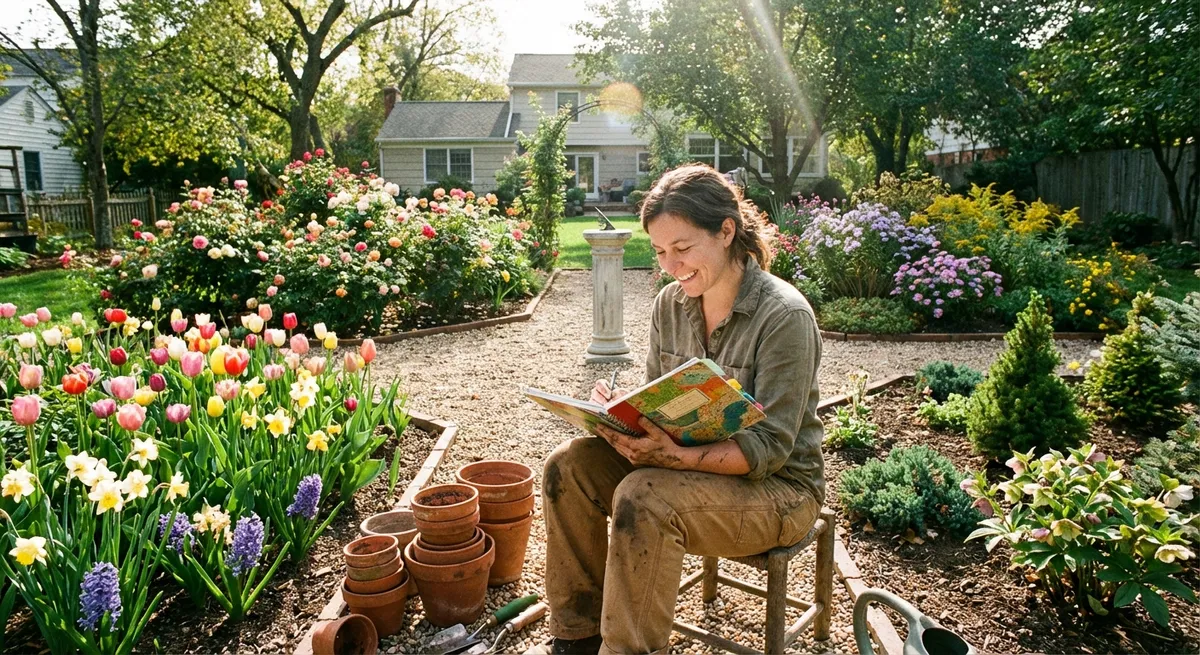
Flower gardening doesn’t have to be complicated or expensive. With a few smart choices and a simple plan, you can turn any yard, balcony, or front step into a colorful space you’re proud of. This guide walks you through the basics—what to plant, when to plant it, and how to keep your flowers blooming all season long—so you can enjoy more beauty with less stress.
Start Smart: Planning Your Flower Garden
Before you buy a single plant, take an hour to really look at your space.
Walk around your yard at different times of day and notice where the sun hits. Most flowering plants need at least 6 hours of direct sun, but some prefer part shade, especially in hot climates. Mark out sunny, partly sunny, and shady spots—this will guide your plant choices far more than color or flower type.
Next, think about how much time you realistically have for maintenance. If you’re busy, focus on low‑maintenance perennials (like coneflower, black‑eyed Susan, and daylilies) and tough annuals (like marigolds and zinnias). If you enjoy tinkering, you can add higher‑care plants like roses, dahlias, or hanging baskets that need regular watering.
Also consider your goals:
- Do you want cut flowers for vases?
- Butterflies and bees for pollinator support?
- A front yard that looks great from the street?
- A small patio with a couple of dramatic containers?
Write down 3–5 “must‑haves” (for example, “attract butterflies,” “bloom from spring to fall,” “easy for beginners”). Take this list with you when you shop so you stay focused and don’t get overwhelmed by the garden center.
Finally, test your soil if you can. Simple soil test kits or local extension services can tell you pH and basic nutrient levels. Even without a test, most flower gardens improve dramatically with a few inches of compost mixed into the top 6–8 inches of soil.
Seasonal Flower Gardening: What to Do and When
Successful gardens are built season by season. Here’s a simple breakdown so you always know the next step.
Spring: Wake‑Up and Planting Time
Spring is your main “starting line.”
- Clean up gently. Remove dead annuals, trim back perennials to new growth, and clear away matted leaves—but leave some leaf litter or stems in a corner for insects emerging from winter.
- Prep your soil. Add 2–3 inches of compost on top of beds and lightly mix into the top layer of soil. Avoid tilling deeply unless the soil is very compacted.
- Plant cool‑season flowers. Pansies, violas, snapdragons, and sweet peas handle chilly nights. In many areas, you can plant these as soon as the ground is workable.
- Set out hardy perennials. Plants like hosta, peony, coneflower, and salvia can be planted in spring so they’re well‑rooted before summer heat.
- Plant summer‑blooming bulbs and tubers after frost (dahlias, gladiolus, lilies). Check your local frost date and wait until soil has warmed.
Spring is also the perfect time to mulch—2–3 inches of organic mulch (like shredded bark or leaves) will conserve moisture, keep weeds down, and give beds a finished look.
Summer: Bloom Power and Maintenance
Summer is showtime for most flower gardens, but it’s also the season that can stress plants the most.
- Water deeply, not constantly. Aim for about 1 inch of water per week (rain + irrigation). Water at the base of plants in the early morning to reduce disease.
- Deadhead spent blooms. Removing old flowers from many annuals (zinnias, cosmos, marigolds, petunias) encourages more blooms instead of seed production.
- Support tall plants. Stake or cage dahlias, delphiniums, and other tall flowers early so they don’t flop after storms.
- Feed container plants. Potted flowers quickly use up nutrients. Use a slow‑release fertilizer or a half‑strength liquid feed every 2–4 weeks, following package directions.
- Watch for pests and disease early. Check under leaves for aphids, caterpillars, or powdery mildew. Often, a strong spray of water, pruning affected leaves, or using insecticidal soap is enough for minor issues.
If a plant truly struggles despite your best care, it’s okay to replace it with something better suited to your conditions. Good gardeners learn by editing.
Fall: Planting for Next Year’s Beauty
Fall isn’t the end of the gardening year—it’s investment season.
- Plant spring‑flowering bulbs. Tulips, daffodils, crocus, and hyacinths go into the ground in fall before the soil freezes. Plant in clusters for impact, not single straight lines.
- Add or move perennials. Cooler temperatures and more consistent moisture make fall ideal for planting or dividing many perennials, so they’re ready to explode next spring.
- Cut back selectively. Remove diseased foliage and messy annuals, but consider leaving some seed heads (like coneflower and ornamental grasses) for winter interest and bird food.
- Top up mulch. A light layer of mulch helps protect roots over winter and keeps soil structure healthy.
Winter: Plan, Learn, and Prep
In cold climates, winter is your planning and dreaming season.
- Review photos of your garden and note what you loved and what felt empty or overgrown.
- Sketch a simple map and mark where you want more color, height, or blooms in a different season.
- Research plants that match your light, soil, and climate. Start a short, focused wish list.
If you’re in a mild climate, winter might still allow cool‑season flowers like pansies, snapdragons, and ornamental kale. Take advantage of that extra bloom time.
Choosing the Right Flowers for Your Space
Picking plants is where the fun really starts. To keep it beginner‑friendly, think about three basic categories: annuals, perennials, and bulbs.
Annuals: Instant Color
Annuals complete their entire life cycle in one season, but they often bloom nonstop.
Great beginner annuals:
- Marigolds: Tough, bright, and forgiving of heat and less‑than‑perfect soil.
- Zinnias: Excellent for cutting, loved by butterflies; best in full sun.
- Petunias: Ideal for pots and hanging baskets; many varieties bloom all season.
- Cosmos: Airy, delicate flowers that handle poor soil surprisingly well.
- Sunflowers: Fun, dramatic, and easy from seed in a sunny spot.
Use annuals for fast color, filling gaps in new beds, and bright containers by doors, patios, and mailboxes.
Perennials: Long‑Term Structure
Perennials return year after year, usually with a defined bloom period each season.
Beginner‑friendly perennials:
- Coneflower (Echinacea): Drought‑tolerant, pollinator magnet, great for cutting.
- Black‑eyed Susan (Rudbeckia): Long bloom time, tough, and cheerful.
- Daylilies: Very low maintenance; many colors and bloom times.
- Hosta: Excellent for shade gardens; lovely foliage and summer blooms.
- Salvia and catmint: Fragrant and attractive to bees and hummingbirds.
Perennials build the “bones” of your flower garden. Add annuals around them for bonus color.
Bulbs: Hidden Treasure
Bulbs and tubers are planted once and reward you either in spring or summer:
- Spring bulbs: Tulips, daffodils, crocus, hyacinths, alliums (plant in fall).
- Summer bulbs/tubers: Dahlias, gladiolus, lilies (plant in spring after frost).
Plant bulbs at the recommended depth (usually 2–3 times their height), pointy end up, in well‑drained soil. Group them in clumps of 5–15 for a full, natural effect.
Simple Flower Care: Watering, Feeding, and Mulching
Good basic care matters more than fancy products.
Watering Basics
- Water less often but more deeply so roots grow downward.
- Morning is best to reduce evaporation and disease.
- Containers dry out faster; in hot weather, pots may need daily watering.
- Check soil moisture with your finger—if the top inch is dry, it’s usually time to water.
Feeding Your Flowers
If you’ve added compost, you often don’t need much fertilizer in the ground.
- For new beds: mix compost into the top layer of soil.
- For established beds: top‑dress with compost in spring and lightly again mid‑summer.
- For heavy‑blooming annuals and containers: use a balanced, slow‑release fertilizer or a diluted liquid fertilizer as directed.
More fertilizer is not better; overfeeding can burn plants or produce foliage at the expense of flowers.
Mulching for Healthier Beds
Mulch provides multiple benefits:
- Reduces weeds by blocking light.
- Holds soil moisture, meaning less watering.
- Protects roots from extreme temperature swings.
- Gradually improves soil as it breaks down.
Apply 2–3 inches of organic mulch (shredded bark, leaves, or straw) around plants but keep it a couple of inches away from the stems or crowns to prevent rot.
Beginner‑Friendly Flower Garden Ideas
You don’t need a large yard to get started. Try one of these simple layouts.
1. A 5‑Plant Sunny Starter Bed
In a 4x8 foot sunny area, plant:
- Back row: 3–5 black‑eyed Susans
- Middle: 3 purple coneflowers and 3 salvia
- Front: a row of marigolds or alyssum for a bright border
This combo gives color from early summer into fall and attracts pollinators.
2. Easy Container Trio for a Porch or Balcony
Use a large pot (at least 14–16 inches wide) with drainage holes:
- Thriller (tall): 1 upright plant like a dwarf grass or upright salvia.
- Fillers (mid‑height): 3–5 medium plants like petunias or calibrachoa.
- Spillers (trailing): 2–3 trailing plants like ivy, sweet potato vine, or trailing lobelia.
Place in a spot with at least 4–6 hours of sun, water when the top inch of soil is dry, and feed lightly every few weeks.
3. Shady Corner Revival
For dappled shade or morning sun/afternoon shade:
- Hostas for bold foliage.
- Astilbe or bleeding heart for delicate, airy blooms.
- Impatiens or begonias as annual pops of color near the front.
Add a light mulch and keep soil consistently moist but not soggy.
Common Beginner Mistakes (and Easy Fixes)
Avoiding a few frequent missteps can save you time, money, and frustration.
- Planting too close together: Young plants grow. Follow spacing guidelines on tags so they have room to mature and airflow to prevent disease.
- Ignoring light requirements: “Full sun” plants in deep shade will stretch and flop; shade lovers in hot sun will scorch. Match plants to actual conditions.
- Overwatering in heavy soil: Soggy roots mean root rot. Improve drainage with compost and water only when needed.
- Skipping mulch: Bare soil dries out quickly and invites weeds. A little mulch goes a long way.
- Trying too many “divas” at once: Start with reliable, forgiving plants. Add more demanding varieties like roses or dahlias once you’ve built confidence.
If something fails, don’t take it personally. Every gardener kills plants—it’s part of learning what works in your unique yard.
Conclusion
Flower gardening is less about perfection and more about steady, seasonal steps—preparing soil, choosing plants that fit your space, and giving them consistent, basic care. Start small with a few easy flowers, pay attention to how they respond, and adjust each season. Over time, you’ll build a garden that reflects your style, supports pollinators, and greets you with color every time you step outside.
With each year, your flower beds will get better—and so will you as a gardener.
Sources
- USDA Plant Hardiness Zone Map - Official U.S. government resource to determine your climate zone and guide plant selection
- Cornell University Home Gardening - Educational guides on soil preparation, plant care, and garden planning
- Royal Horticultural Society – Flower Garden Advice - Detailed information on choosing, planting, and caring for garden flowers
- University of Minnesota Extension – Flower Gardening - Research-based tips on annuals, perennials, watering, fertilizing, and common problems
- Missouri Botanical Garden Plant Finder - Comprehensive database with light, soil, and care requirements for thousands of garden plants