
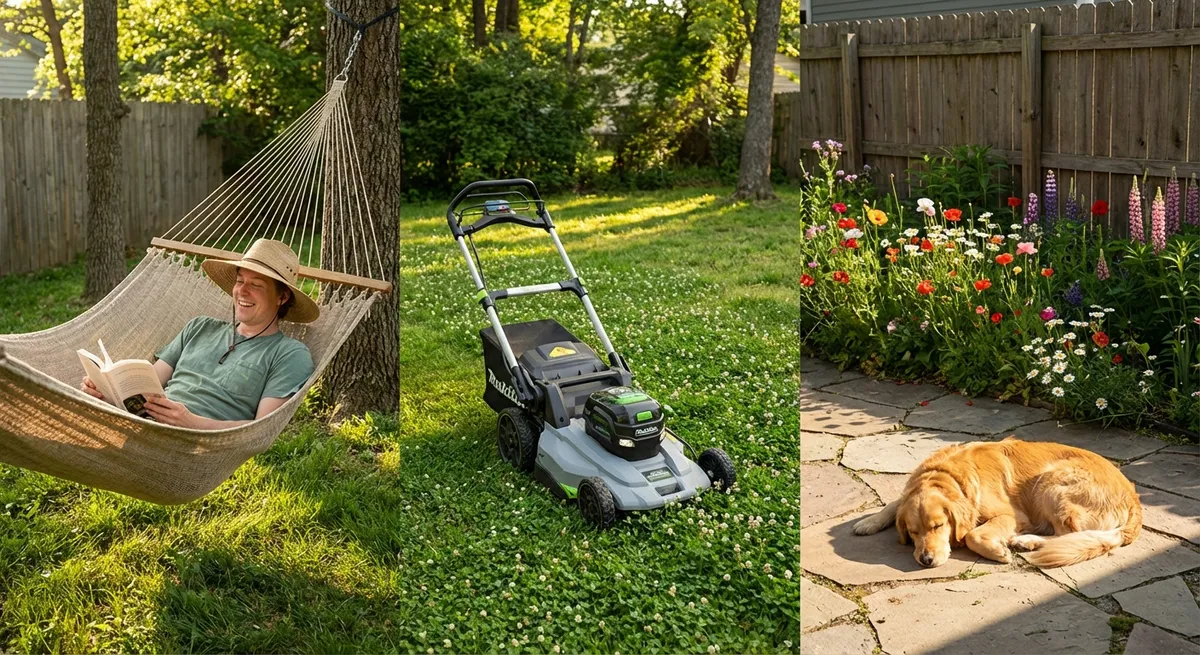
A good-looking lawn doesn’t have to take over your weekends or your budget. With a little planning and a few smart habits, you can keep your grass healthy, your soil happy, and your yard ready for bare feet and backyard hangouts. This guide walks you through a calm, realistic approach to lawn care—season by season—with simple tips that even beginners can follow.
Understanding Your Lawn (So You Work With It, Not Against It)
Before you reach for fertilizer or the hose, it helps to know what you’re working with. The way you care for your lawn should match your climate, soil, and grass type, not the other way around.
Warm-season grasses (like Bermuda, zoysia, and St. Augustine) love hot summers and stay green when it’s warm, but they go dormant and brown when it gets cool. Cool-season grasses (like Kentucky bluegrass, fescue, and ryegrass) prefer spring and fall temperatures and can struggle in hot summers without enough water and shade.
Your soil is just as important as the grass on top. Heavy clay holds water but can get compacted easily, while sandy soil drains quickly and may need more frequent watering and organic matter. A simple soil test (often available through local cooperative extensions) can tell you your soil pH and nutrient levels so you don’t guess with fertilizers.
When you know your grass type and soil condition, you can:
- Choose the right seed or sod for your area.
- Adjust your mowing height so you’re not scalping the lawn.
- Water more wisely, based on how quickly your soil drains and dries out.
- Fertilize only when your grass is actively growing, not when it’s dormant.
This upfront knowledge saves you time, money, and frustration for years to come.
Spring: Wake-Up Call for Your Lawn
Spring is “reset season” for your yard. You’re not trying to do everything at once—you’re just helping the lawn wake up clean, strong, and ready to grow.
Start by gently cleaning the lawn. Rake up leftover leaves, sticks, and any matted patches of old grass. This lets more sunlight, water, and air reach the soil surface. If your lawn feels bumpy or spongy underfoot, consider loosening compacted areas with a garden fork or a core aerator for problem spots.
Once things are tidy, check for bare or thin patches. Spring is a good time to overseed cool-season lawns, especially fescues. For warm-season lawns, you may wait until late spring when soil warms before overseeding or plugging. Lightly rake the soil, spread seed evenly, and keep the area consistently moist (not soaked) until seedlings are established.
As grass begins to grow, set your mower to a higher setting and only remove about one-third of the grass blade length at a time. Short, scalped lawns are more prone to weeds, drought stress, and disease. Taller grass shades the soil, helps retain moisture, and naturally suppresses weed seed germination.
If you plan to fertilize, focus your effort where it counts. Cool-season lawns often benefit from a light spring feeding, while warm-season grasses respond better to fertilization after they’ve fully greened up. Follow package instructions carefully, and try to avoid fertilizing right before a heavy rain to reduce runoff.
Summer: Keep It Green Without Losing Your Weekends
Summer lawn care is mostly about maintaining what you started in spring and protecting grass from stress. Heat, foot traffic, and dry spells can all take a toll, so this is the time to keep things steady and simple.
Smart watering is your biggest ally. Rather than shallow, daily sprinkles, aim for a deeper soaking once or twice a week, depending on your climate and rainfall. Most established lawns do well on about 1 to 1.5 inches of water per week, including rain. You can test this with a simple rain gauge or by placing shallow containers around the lawn to measure how much water your sprinklers deliver.
Water early in the morning so most of the moisture goes into the soil rather than evaporating or sitting on leaves overnight, which can encourage disease. If you see the grass blades folding in on themselves, leaving footprints that don’t spring back, or turning a dull bluish-gray, those are signs it may need water.
Adjust your mowing habits for the season. Keep the mower blades sharp to avoid tearing grass, which leads to brown tips. Raise your mowing height a step or two higher than in spring; taller grass develops deeper roots that are more resilient in heat and drought. Try to avoid mowing during the hottest part of the day, and skip mowing when the lawn is already dry and stressed.
If weeds appear, spot-treat rather than blanketing the yard with products. Often, the healthiest long-term weed control is thicker, better-cared-for grass. Hand-pulling a few dandelions or using a targeted product on patches can be enough when combined with proper mowing and watering.
Fall: Repair, Refresh, and Prep for the Cold
Fall is one of the best times of the year to improve your lawn’s health, especially for cool-season grasses. Temperatures cool, rainfall can increase, and grass shifts energy into root growth instead of just top growth.
Begin by giving your lawn a light cleanup. Remove fallen leaves regularly so they don’t smother grass, but consider mulching them with your mower instead of bagging. Finely chopped leaves can break down and add organic matter back into the soil over time, improving structure and nutrient content.
Fall is prime time for overseeding cool-season lawns. If your yard has thin areas or bare spots from summer stress, lightly rake the soil surface, spread a quality grass seed suited to your climate, and keep it consistently moist for several weeks. Pairing overseeding with core aeration can help seeds make better contact with the soil and encourages deeper root growth.
Fertilizing in fall is especially helpful for cool-season grasses. A well-timed fall feeding can help lawns store nutrients in their roots, resulting in a thicker, greener lawn the following spring. Always follow label directions and consider using slow-release products to avoid rapid, weak flushes of growth.
As winter approaches, gradually lower your mowing height a bit, but still avoid scalping. You want grass short enough that it’s less likely to mat under snow, but tall enough to keep a healthy root system and ground cover.
Winter: Minimal Care, Quiet Gains
In many regions, winter is a downtime period for your lawn—but that doesn’t mean nothing is happening. Grass may be dormant above ground, yet roots and soil life are still part of a quiet, slow-moving system.
During this season, focus on protecting what you’ve built rather than actively growing it. Avoid heavy traffic on frozen or saturated lawns; repeated footpaths can compact soil and damage crowns of the grass plants, leaving bare or thin tracks when spring comes.
If you live in an area with snow and ice, be mindful of where you pile shoveled snow and how you use de-icing products. Large, heavy piles can crush grass and keep areas wet for too long in spring. Some ice-melt products contain salts that can damage turf at the edges of driveways and sidewalks, so use them sparingly and according to label directions.
Winter is also a good time to plan ahead and maintain your tools. Sharpen mower blades, check your hoses and sprinklers for leaks, and clean up hand tools. If you’ve been thinking about soil testing, this is a great season to gather information and decide on any amendments you might apply when the weather warms.
Use the quiet months to think about your lawn’s role in the landscape. Maybe you want to reduce turf in a trouble area and replace it with a low-maintenance ground cover, pollinator garden, or mulched play space. Planning now makes spring action a lot easier.
Simple Plant Care Around the Lawn: Borders, Beds, and Beyond
A great-looking yard isn’t just about the grass—what you plant around it can make your lawn look better with less work. Adding shrubs, perennials, or ground covers can reduce mowing time and create a healthier mini-ecosystem.
Along sunny borders, choose tough, drought-tolerant plants that don’t need constant attention, such as ornamental grasses, hardy perennials, or native flowering plants that support pollinators. Around trees, replace grass directly under the canopy with a mulched bed and shade-tolerant plants; grass often struggles there anyway, and this cut-down area is one less tricky patch to mow.
Mulch is your friend in these surrounding beds. A 2–3 inch layer of mulch helps hold moisture, suppress weeds, and protect soil structure. Just remember to keep mulch a few inches away from plant stems and tree trunks to avoid rot.
Whether you’re growing a small patch of clover in the lawn, mixing in low-growing ground covers, or adding a border of flowering plants, these choices can reduce your need for fertilizers and pesticides. They also support beneficial insects and birds that help keep your yard in balance.
For beginners, start small: one border bed, a narrow strip along the fence, or a mulched circle around a tree. You’ll quickly see how these changes make mowing easier and your yard more enjoyable without adding a lot of work.
Conclusion
Lawn care doesn’t have to be complicated or time-consuming. When you understand your grass type, pay attention to the seasons, and make a few smart choices about watering, mowing, and surrounding plants, your yard can stay healthy with less effort. Think of it as a slow, steady partnership with your lawn—small, consistent habits that pay off in thicker grass, fewer weeds, and more time to simply enjoy being outside.
Sources
- University of California Integrated Pest Management: Lawn Care - Research-based guidance on mowing, watering, fertilizing, and managing lawn pests
- Cornell University Turfgrass Program - Detailed information on grass species, soil health, and sustainable lawn care practices
- U.S. Environmental Protection Agency: Healthy Lawn, Healthy Environment - Tips on environmentally friendly lawn care and responsible pesticide/fertilizer use
- University of Maryland Extension: Lawn Establishment & Renovation - Step-by-step instructions for seeding, overseeding, and improving existing lawns
- Missouri Botanical Garden: Turfgrass Maintenance Calendar - Seasonal breakdown of practical lawn tasks throughout the year